

Binaural Beats vs. Isochronic Tones: The Biophysics of Auditory Entrainment for Insomnia and Sleep
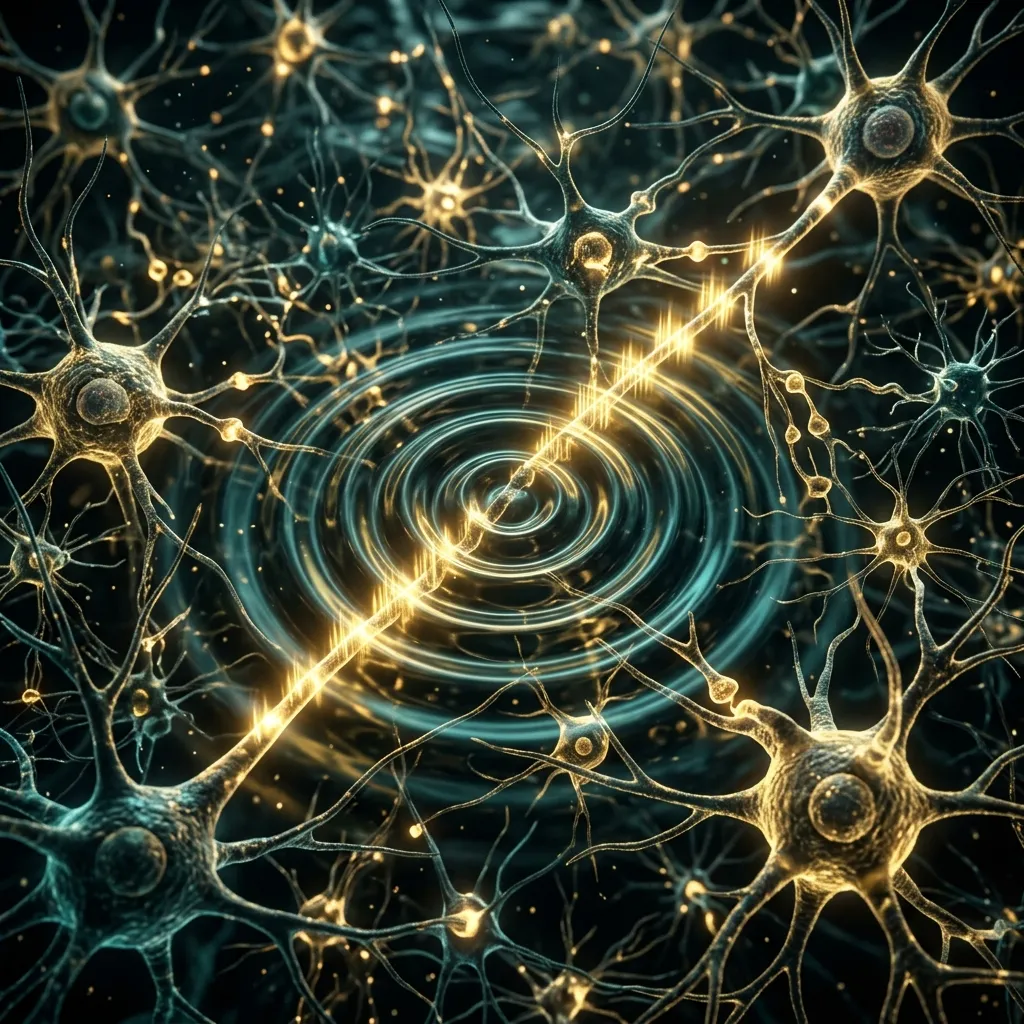
Binaural Beats vs. Isochronic Tones: The Biophysics of Auditory Entrainment for Insomnia and Sleep
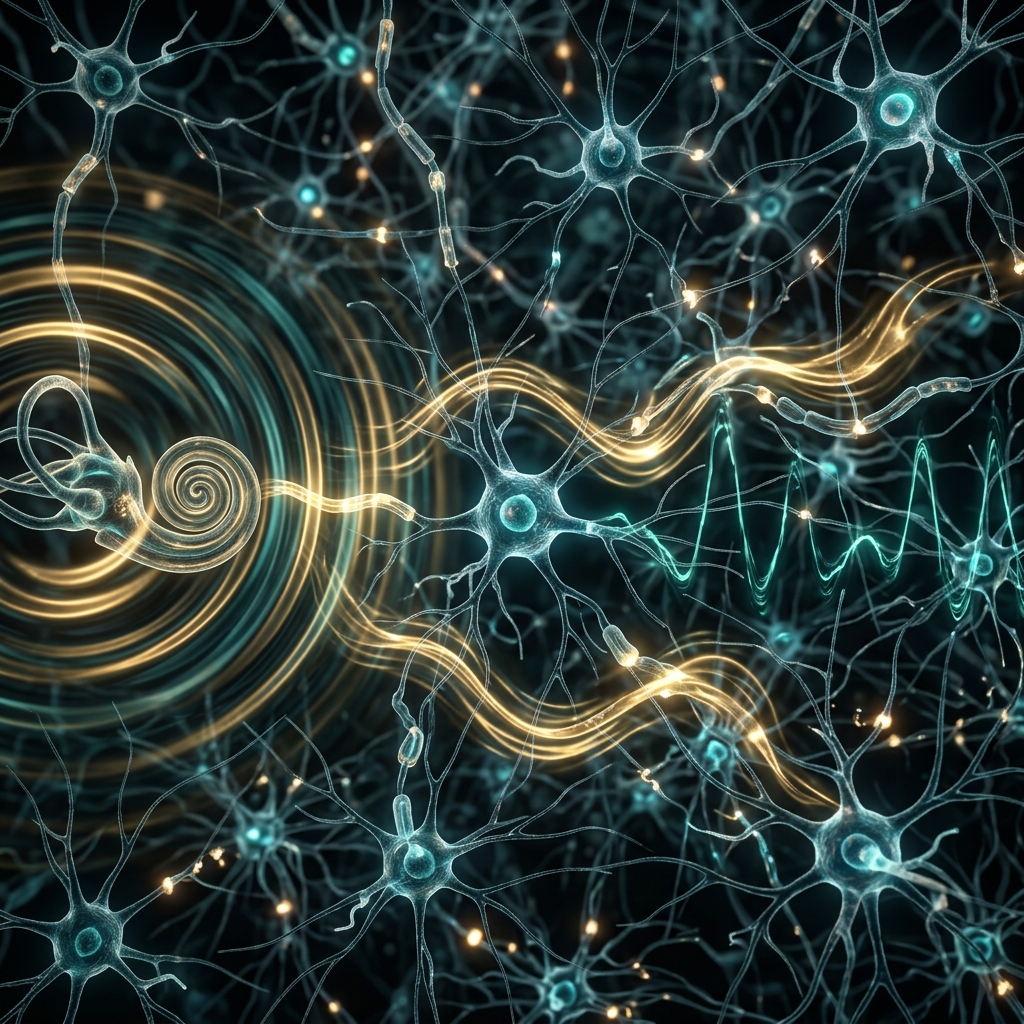
In the world of sound therapy and neuro-hacking, you will frequently encounter terms like binaural beats, isochronic tones, and monaural beats. All of these are forms of auditory entrainment—using sound to guide your brainwaves into specific states.
But how do they work, what are the differences between them, and which one is most effective for relieving insomnia and promoting deep, restorative sleep?
1. What are Binaural Beats?
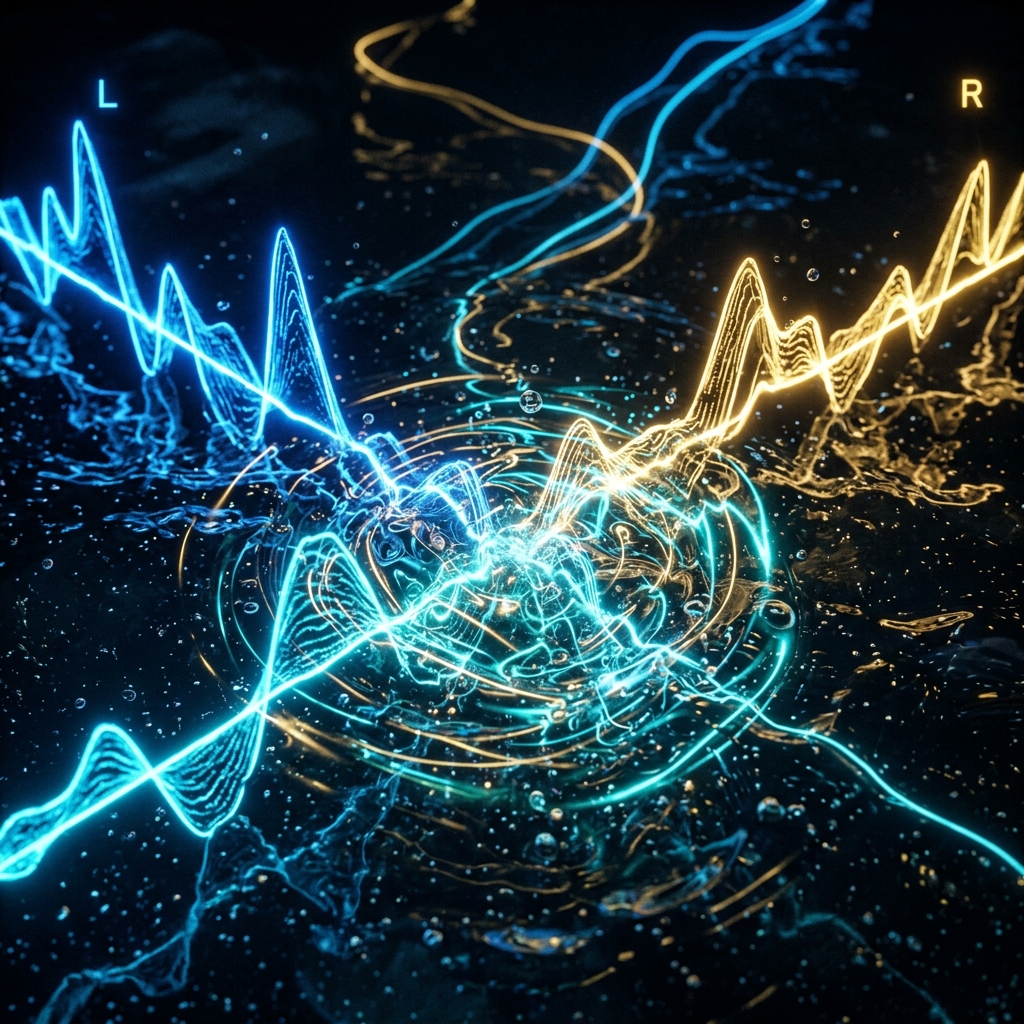
A binaural beat is an auditory illusion created by the brain. When you play two slightly different frequencies into each ear (for example, 300 Hz in the left ear and 310 Hz in the right ear), your brain’s superior olivary nucleus processes the difference between them.
Instead of hearing two separate tones, you perceive a single, pulsating third tone vibrating at the mathematical difference between the two carrier frequencies: 10 Hz.
- Requirement: You must wear stereo headphones for binaural beats to work.
- Mechanism: It relies on the brain’s internal auditory processing centers to synthesize the beat, which promotes neural synchronization between the left and right hemispheres.
2. What are Isochronic Tones?
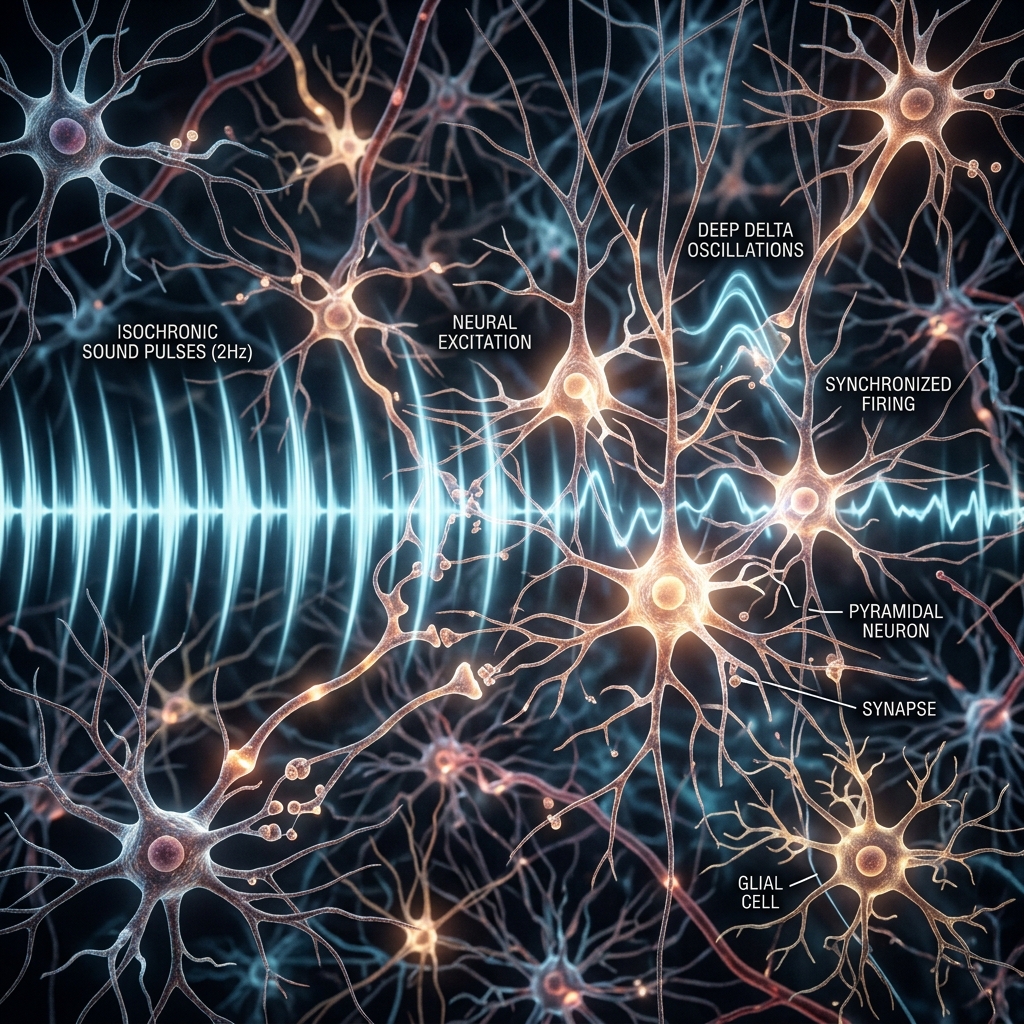
Unlike binaural beats, isochronic tones are not an illusion. They are single, distinct tones that are manually turned on and off in a specific, rapid rhythm.
For example, if a 150 Hz tone is pulsed 4 times per second, it creates a rhythm of 4 Hz (a Delta frequency).
- Requirement: Headphones are not required, though they can enhance the experience. You can play them through standard speakers.
- Mechanism: Because the sound pulses are highly pronounced and have sharp volume drops, they provide a very strong stimulus to the auditory cortex, making them highly effective for rapid entrainment.
3. What are Monaural Beats?
Monaural beats occur when two different frequencies are mixed together before reaching your ears (externally, in the air or through a single speaker). The waves physically collide and merge, creating a pulsing beat that your ear registers. Like isochronic tones, monaural beats do not require headphones.
The Biophysics of Sleep & Insomnia
To fall asleep and stay asleep, your brain must naturally transition from active Beta waves (12–30 Hz) down to:
- Alpha Waves (8–12 Hz): Quiet wakefulness and physical relaxation.
- Theta Waves (4–8 Hz): Light sleep, dreaming, and deep meditation.
- Delta Waves (0.5–4 Hz): Deep, restorative, dreamless sleep.
Insomnia is often caused by a hyper-aroused nervous system that remains stuck in Beta waves. Auditory entrainment helps by utilizing neural phase-locking. The brain’s electrical pulses naturally align with the rhythm of the auditory beat. By playing slow Delta frequencies, you coax your brainwaves down into deep sleep states automatically.
Which is Better for Sleep?
The answer depends on your setup and preference:
- Binaural beats are excellent if you enjoy sleeping with comfortable headphones or headband speakers. They encourage hemispheric balance and offer a smoother, more ambient sound.
- Isochronic tones are ideal if you prefer playing sleep audio through a bedside speaker. Because their pulses are highly defined, they can guide the brain to slow down very quickly.
High-Fidelity Entrainment with Mistikist
Many audio tracks on public video platforms are heavily compressed. Compression removes the subtle, sub-audible frequency details required for neural phase-locking, rendering the beats ineffective.
Mistikist delivers high-fidelity, lossless audio frequencies. Its personalization engine customizes mixes of binaural beats, isochronic tones, and monaural beat structures to match your unique heart rate biofeedback. By combining these auditory channels with optoelectronic visual loops, Mistikist provides a powerful, clinically validated solution for insomnia, stress, and sleep support.
Want to reprogram your subconscious mind, reduce anxiety, and unlock peak focus? Download the Mistikist App on iOS or Android, or select a plan on our Pricing Page to start your 7-day free trial.
About Mistikist
Mistikist is an AI-assisted neuro-regulation and mind programming platform helping individuals and B2B teams prevent burnout, recover active focus, and regulate stress in minutes.